
H5N1, a virus with the potential to cause widespread devastation to both bird and human populations, looms like a dark cloud over the world. But for a group of dedicated researchers, the quest to understand and combat it means getting their hands dirty in the most unappealing way possible.
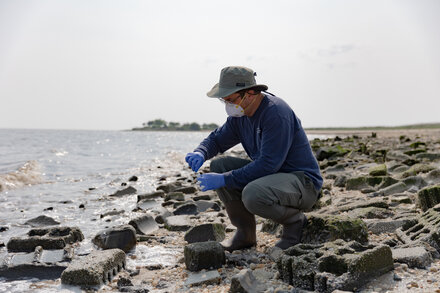
Their work begins on the beach, where thousands of birds gather to rest and roost. Amidst the squawking and honking, the researchers roll up their sleeves and dig through piles of bird droppings, collecting fecal samples to analyze for traces of the virus. It’s dirty, smelly work, but it’s a crucial first step in the fight against H5N1.
Back in the lab, the team hunkers down for long hours of testing, using cutting-edge technology to decode the genetic sequence of the virus and determine how it spreads. It’s a mind-bogglingly complex process, but the researchers are undaunted.
Their work takes them to some of the world’s most remote corners, where they trudge through swamps and jungle to collect samples from wild birds. They risk exposure to dangerous pathogens and endure harsh living conditions, all in the name of science.
Despite the challenges, the researchers are determined to unravel the mysteries of H5N1. They know that their work could mean the difference between life and death for millions of people. And so they soldier on, dedicated to a cause that others might find too dirty or too dangerous.
In the battle against H5N1, there is no room for squeamishness or fear. These researchers are the frontline soldiers, fighting with their minds, their bodies, and their hearts. They may not be glamorous or famous, but they are heroes in their own right, quietly doing the dirty work that could one day save us all.