
In a world that cherishes freedom of speech, it is hard to fathom the rise of censorship and book banning, especially in the land of the free. However, in recent years, the United States has witnessed a surge in book banning campaigns, with public schools and libraries being the prime targets. It begs the question: has America’s beacon of free speech started to flicker?
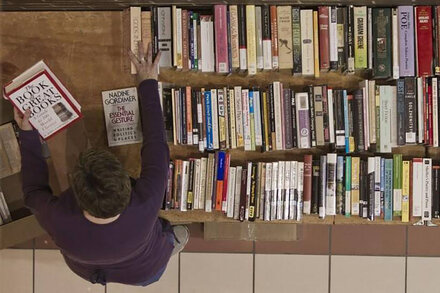
Take a walk into any public library, and deep in the stacks, you might find books covered in brown paper, stamped with a seal that reads “Banned.” Titles like “To Kill a Mockingbird” and “The Catcher in the Rye” sit alongside children’s stories like “And Tango Makes Three.” These books, deemed harmful or inappropriate for certain groups of readers, have been removed from shelves in libraries and schools across the nation.
But what exactly constitutes a “banned book?” Anything from explicit sexual content to religious viewpoints to political opinions can trigger a book banning campaign. In most cases, a small group of individuals voice their concerns about a particular title, and soon enough, it spirals into a full-blown censorship effort, ultimately suppressing and hiding important stories and perspectives from the public eye.
It is not just a matter of individual freedom, but of cultural preservation. With knowledge and ideas being suppressed, what kind of society are we creating? Where does the line between protection and censorship lie? As the world watches China’s strict control of information, what does it say that America, once seen as a bastion of openness, has begun to follow suit?
We must ask ourselves – are we truly living in a country that values the fundamental right to free speech and expression? Or are we teetering on the brink of a new era of censorship, where the voices of the few hold too much power? The answer lies in how we choose to confront and resist this new wave of censorship and how fiercely we protect our right to read and think for ourselves. The time to act is now, before the forbidden pages outnumber the free.