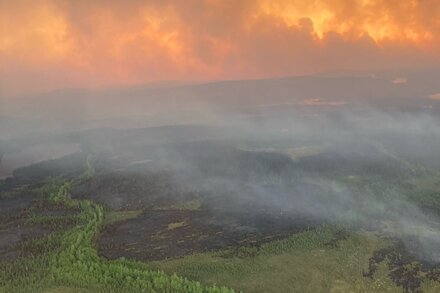

Deep in the forests of Canada, wildfires rage across the land leaving a trail of devastation in its wake. The smoke-filled air reeks of destruction as the flames continue to spread. It seems like nothing can tame this wild beast, and the world watches in awe as nature takes its course. However, there is something that can curb the impact of these fires, something that was once a common practice in Indigenous communities.
Indigenous cultural burning practices, an age-old technique that involves the controlled burning of undergrowth, have been used for thousands of years to maintain and protect the environment. With the rising number of wildfires in recent years, it’s time we revisited these teachings as we’re facing a new reality – a reality where wildfires are becoming more frequent and more intense.
This practice was once common in many Indigenous cultures across the Americas, Africa and Australia. It was used for many different purposes, but the main goal was to keep the land healthy and productive. By burning off low-level vegetation, the larger trees remained untouched, allowing them to grow stronger and more resilient to fires.
The cultural fire was also used as a way to manage ecosystems and promote biodiversity. It created habitats for wildlife, prevented soil erosion, and promoted new growth. It was an essential practice that was passed down from generation to generation.
However, with the arrival of colonial settlers, these practices were stamped out. The settlers saw the fires as a threat to their crops and livestock and implemented policies to suppress them. As a result, the vital ecological benefits of cultural fire were lost, and the land began to suffer.
But, as wildfires continue to ravage many parts of the world, we are turning back to Indigenous practices as an effective way to manage these natural disasters. By reintroducing these practices, we can offer a sustainable, effective, and low-cost way to manage wildfires.
In conclusion, cultural fire is not just a practice; it’s a way of life. It’s a way of living in harmony with nature, respecting the environment and protecting it for future generations. We must embrace these teachings and reintroduce them into our management of the land. The lessons that Indigenous communities have learned over thousands of years can offer a sustainable way to manage fires and protect our planet.