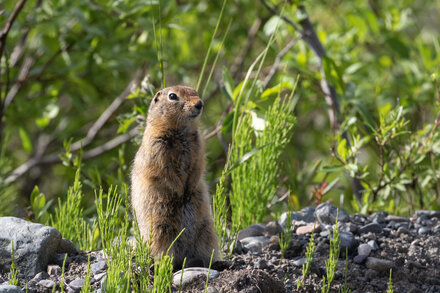

As climate change continues to wreak havoc on our planet, it’s no surprise that its effects are being felt in the animal kingdom too. A recent discovery by scientists has uncovered disturbing implications for the dating scene in the Arctic: female squirrels are struggling to hibernate properly due to the unpredictable and erratic weather patterns caused by climate change.
Squirrels play an important role in the Arctic’s ecosystem as they help with seed dispersal and nutrient cycling. But the recent findings have revealed that their reproduction could now be at risk. Female squirrels use hibernation to conserve energy and nutrients for their offspring, but the changes in weather patterns are disrupting their hibernation patterns, causing them to wake up too early and expend vital energy needed for the upcoming breeding season.
This could have dire consequences for the Arctic’s squirrel population, and eventually, the ecosystem as a whole. Without enough females producing offspring, the food web could be disrupted, ultimately affecting other animals in the area.
This is not the first time we have seen the devastating impact of climate change on wildlife. From melting ice caps to rising sea levels, the planet’s animals are struggling to adapt to the rapidly changing environment. It’s clear that we need to take action now to prevent further damage to the delicate balance of nature.
The Arctic squirrels might seem like a small, insignificant part of the world, but their struggle highlights the bigger picture. As humans, we must take responsibility for our actions and work towards a sustainable future for all species. If we don’t, the consequences will be dire. The Arctic squirrels have shown us that we must act now, before it’s too late.