
As athletes, we often expect them to be tough, both physically and mentally. They’re supposed to be relentlessly determined and unmoved by outside forces, but what if that pressure shatters the mental health of a top athlete?
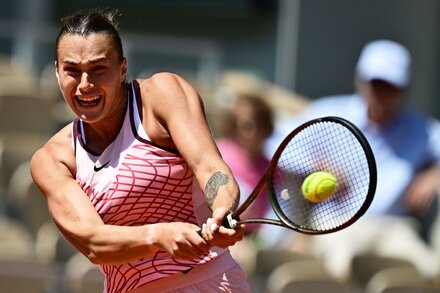
Aryna Sabalenka, a Belarusian tennis player, recently decided to prioritize her mental health by skipping a mandatory news conference at the French Open. What is extraordinary about this is that it caused a stir among the fans and media who incessantly demand answers from the participants.
But what is more remarkable is that she did it anyway.
Sabalenka is an accomplished tennis player who has risen to great heights in her sport, and she has poured her heart and soul into it. Unfortunately, the grueling nature of the profession does not always shine a positive light on mental health. Often times, the pressure and scrutiny of the public eye can be too much to bear.
Earlier in the week, Sabalenka was confronted by a Ukrainian reporter who questioned her about the war. It’s a question that needed to be asked, and Sabalenka answered it with grace. However, what followed was a torrent of comments and backlash that could have broken even the strongest of minds.
In the end, Sabalenka decided to prioritize herself. She took a bold step and missed her mandatory news conference, turning her back on the deafening noise that has been consuming her life. It’s a decision that required her to choose herself over her duty, a brave act that deserves the utmost respect.
As fans, we believe in the gladiatorial spirit of sports, but sometimes it’s important to remember that athletes are human beings too. They struggle with the same problems that everyone else faces. Sabalenka’s brave move prompted the idea that mental health cannot be discarded and dismissed. It is time to take the mental well-being of professional athletes seriously and realize that they need help and support, just like anyone else.
And although Sabalenka’s decision is only a small step in a much bigger problem, it is a step in the right direction. It’s time to celebrate those small steps and discover a new way to approach mental health in sports.